Central diabetes insipidus can be caused by damage to the hypothalamus or pituitary gland as a result of :
There is also a form of central diabetes insipidus that runs in families. Nephrogenic diabetes insipidus involves a defect in the parts of the kidneys that reabsorb water back into the bloodstream. It occurs less often than central diabetes insipidus. Nephrogenic diabetes insipidus may occur as an inherited disorder in which male children receive the abnormal gene that causes the disease from their mothers. Nephrogenic diabetes insipidus may also be caused by:
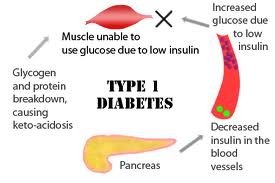
It is believed that the tendency to develop abnormal antibodies in type 1 diabetes is, in part, genetically inherited.
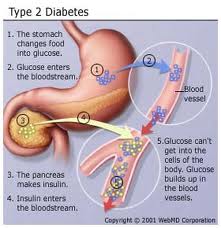
In fact, there is a known steady decline in beta cell production of insulin in type 2 diabetes that contributes to worsening glucose control. (This is a major factor for many patients with type 2 diabetes who ultimately require insulin therapy.) Finally, the liver in these patients continues to produce glucose through a process called gluconeogenesis despite elevated glucose levels. The control of gluconeogenesis becomes compromised. While there is a strong genetic component to developing this form of diabetes, there are other risk factors - the most significant of which is obesity. There is a direct relationship between the degree of obesity and the risk of developing type 2 diabetes, and this holds true in children as well as adults. It is estimated that the chance to develop diabetes doubles for every 20% increase over desirable body weight. Diabetes can occur temporarily during pregnancy. Significant hormonal changes during pregnancy can lead to blood sugar elevation in genetically predisposed individuals. Gestational diabetes usually resolves once the baby is born. However, 25%-50% of women with gestational diabetes will eventually develop type 2 diabetes later in life, especially in those who require insulin during pregnancy and those who remain overweight after their delivery. "Secondary" diabetes refers to elevated blood sugar levels from another medical condition. Secondary diabetes may develop when the pancreatic tissue responsible for the production of insulin is destroyed by disease, such as chronic pancreatitis (inflammation of the pancreas by toxins like excessive alcohol), trauma, or surgical removal of the pancreas. Diabetes can also result from other hormonal disturbances, such as excessive growth hormone production (acromegaly) and Cushing's syndrome. In acromegaly, a pituitary gland tumor at the base of the brain causes excessive production of growth hormone, leading to hyperglycemia. In Cushing's syndrome, the adrenal glands produce an excess of cortisol, which promotes blood sugar elevation. In addition, certain medications may worsen diabetes control, or "unmask" latent diabetes. This is seen most commonly when steroid medications (such as prednisone) are taken and also with medications used in the treatment of HIV infection (AIDS). (11) (6) © Apurva Atak
|