Diagnosis of Diabetes  


Diabetes insipidus

Since the signs and symptoms of diabetes insipidus can be caused by other conditions, yourdoctor will perform a number of tests.
  • Water deprivation test.

    This test helps determine the cause of diabetes insipidus. You'll be asked to stop drinking fluids two to three hours before the test so that your doctor can measure changes in your body weight, urine output and urine composition when fluids are withheld.Your doctor may also measure blood  levels of ADH during this test.The water deprivation test is performed under close supervision in children and pregnant women to make sure not more than 5 percent of body weight is lost during the test. 

  • Urinalysis.

           Urinalysis is the physical and chemical examination of urine.If your urine is less
     concentrated (meaning the amount of water excreted is high and the salt and waste
     concentrations are low), it could be due to diabetes insipidus
    .


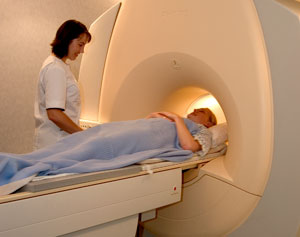
  • Magnetic resonance imaging (MRI).

          An MRI of the head is a noninvasive procedure that uses a powerful magnet and radio waves to construct detailed pictures of brain tissues.Your doctor may want to perform an MRI to look for abnormalities in or near the pituitary gland.    

  • Genetic screening.

    If your doctor suspects an inherited form of diabetes insipidus, he or she will look at your family history of polyuria and may suggest genetic screening. (15) (16) (17) 


Diabetes mellitus

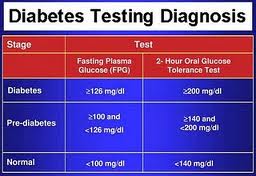
In case of diabetes mellitus, following tests are performed (18) (19)

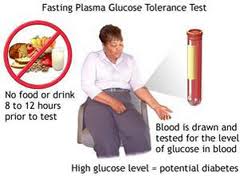
1. A fasting plasma glucose (FPG) test measures blood glucose in a person who has not eaten anything for at least 8 hours.
 

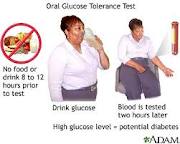
2. An oral glucose tolerance test (OGTT) measures blood glucose after a person fasts at least 8 hours and 2 hours after the person drinks a glucose-containing beverage.


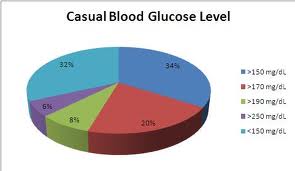
3. A random plasma glucose test, also called a casual plasma glucose test, measures blood glucose without regard to when the person being tested last ate. This test, along with an assessment of symptoms, is used to diagnose diabetes.

Test results indicating that a person has diabetes should be confirmed with a second test on a different day. 

FPG Test

The FPG test is the preferred test for diagnosing diabetes because of its convenience and low cost. The FPG test is most reliable when done in the morning. People with a fasting glucose level of 100 to 125 milligrams per deciliter (mg/dL) have a form of prediabetes called impaired fasting glucose (IFG).  Having IFG means a person  

 has an increased risk of developing type 2 diabetes but does not have it yet. A level of 126 mg/dL or above, confirmed by repeating the test on anotherday, means a person has diabetes.  

 OGTT

Research has shown that the OGTT is more sensitive than the FPG test for diagnosing diabetes, but it is less convenient to administer. The OGTT requires fasting for at least 8 hours before the test. The plasma glucose level is measured immediately before and 2 hours after a person drinks a liquid containing 75 grams of glucose dissolved in water.

If the blood glucose level is between 140 and 199 mg/dL 2 hours after drinking the liquid, the person has a form of prediabetes called impaired glucose tolerance (IGT). Having IGT, like having IFG, means a person has an increased risk of developing type 2 diabetes but does not have it yet. A 2-hour glucose level of 200 mg/dL or above, confirmed by repeating the test on another day, means a person has diabetes.

Gestational diabetes is also diagnosed based on plasma glucose values measured during the OGTT, preferably by using 100 grams of glucose in liquid for the test. Blood glucose levels are checked four times during the test. If blood glucose levels are above normal at least twice during the test, the woman has gestational diabetes.

Note: Some laboratories use other numbers for this test.

*These numbers are for a test using a drink with 100 grams of glucose.

Random Plasma Glucose Test

A random, or casual, blood glucose level of 200 mg/dL or higher, plus the presence of the following symptoms, can mean a person has diabetes:

increased urination 

increased thirst 

unexplained weight loss 


Other symptoms can include fatigue, blurred vision, increased hunger, and sores that do not heal. The doctor will check the person's blood glucose level on another day using the FPG test or the OGTT to confirm the diagnosis.(7)

© Apurva Atak 

This free website was made using Yola.

No HTML skills required. Build your website in minutes.

Go to www.yola.com and sign up today!

Make a free website with Yola