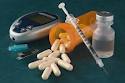
Treatment for diabetes insipidus aims to reduce the amount of urine that your body produces. Depending on the type of diabetes insipidus you have, there are several ways of treating your condition and controlling your symptoms. Treating diabetes insipidus If you have mild central diabetes insipidus, you may not need any medical treatment for your condition. However, if your central diabetes insipidus is more severe, drinking water may not be enough to keep your symptoms under control. As your condition is due to a shortage of antidiuretic hormone (ADH), you may be prescribed a treatment that takes the place of ADH, known as desmopressin.Thiazide diuretics can also be used. Thiazide diuretics are a type of medication normally used to increase the flow of urine from the body, so their use may seem counterproductive in the treatment of diabetes insipidus.However, they have the useful side effect of making the urine more concentrated (so it contains a high level of waste products).For people with diabetes insipidus, the medication has a completely opposite effect to that which is normally expected. By increasing the concentration of the urine, the medication reduces the amount of urine passed from the body.If your nephrogenic diabetes insipidus is caused by taking a particular medication, such as lithium or tetracycline, your doctor may stop your treatment and suggest an alternative medication. Do not stop taking any medication unless you have been told to do so by a healthcare professional.As nephrogenic diabetes insipidus results from your kidneys not responding to ADH, rather than ashortage of ADH, it cannot be treated with desmopressin. However, it is still important to drink plenty of water to avoid dehydration.If your condition is mild, your doctor may suggest changing your diet so it is very low in salt and protein, which will help your kidneys produce less urine. This may mean eating less salt and lessprotein-rich food, such as processed foods, meat, eggs and nuts. Do not alter your diet without medical advice. Seek medical professional’s advice about which foods to cut down on.If your nephrogenic diabetes insipidus is more severe, you may be prescribed a combination of thiazide diuretics and an non-steroidal anti-inflammatory drugs to help reduce the amount of urine your kidneys produce. (6) (15) (16) Treating diabetes mellitus
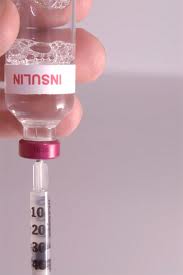
There are four major types of insulin:
Your doctor will determine your dose and how often you need to take insulin.There is no standard insulin dose as it depends on factors such as your body weight, when you eat, how often you exercise and how much insulin your body produces.
Oral diabetes medications are sometimes taken in combination with insulin. (20)Combination therapy with antidiabetic agents and injectable medication can also be used effectively for treatment of diabetes mellitus. (7) Diabetes mellitus will frequently reach the stage of life threatening and severely disabling complications the progress of which cannot be controlled by insulin alone. It has been known for decades that fetal precursor stem cell transplantation is the sole therapy available for such advanced stages of diabetes (21) © Apurva Atak
|